
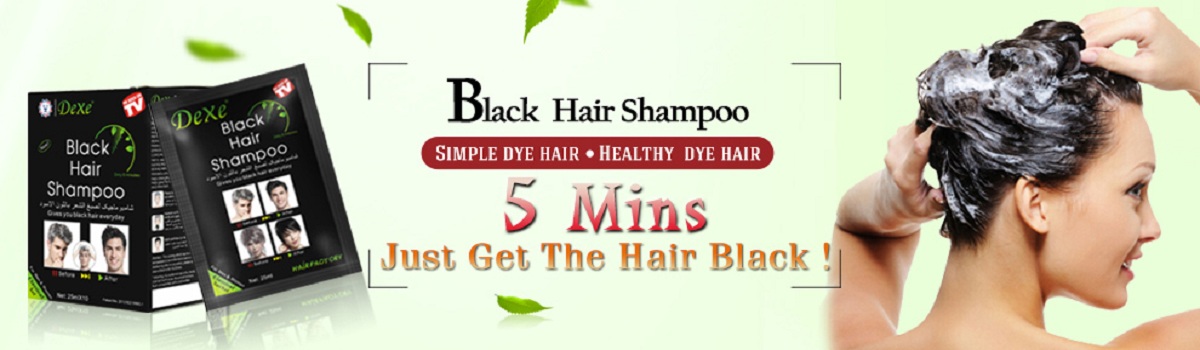
Why did my grey hair turn black again?
The Science of Color: How Hair Dye Transforms Gray Hair Back to Black
Have you ever wondered how a simple bottle of liquid can turn a head of silver or white hair back to a deep, lustrous black? It might seem like magic, but it is actually a fascinating chemical process. To understand how hair dye works, we first need to understand why hair turns gray in the first place.
Why Does Hair Turn Gray?
Our hair color comes from a pigment called melanin, which is produced by cells known as melanocytes located in the hair follicle. There are two types of melanin:
– Eumelanin: Responsible for black and brown shades.
– Pheomelanin: Responsible for red and yellow shades.
As we age, these melanocytes gradually become less active and eventually stop producing pigment entirely. Without melanin, the hair shaft grows out transparent. However, because of the way light reflects off the structure of the hair, this transparent hair appears white or gray to our eyes.
The Mechanism: How Dye Restores Color
Permanent hair dyes—specifically those used to cover gray hair—do not simply paint color onto the surface like a coat of paint. Instead, they penetrate deep into the hair shaft to create new color molecules from the inside out. This process generally involves three main steps:
1. Opening the Door (The Cuticle)
The outer layer of your hair is called the cuticle, which acts like protective shingles on a roof. To deposit color, these shingles must be lifted. Hair dyes contain an alkaline agent, usually ammonia or a similar substitute. This agent swells the hair shaft and lifts the cuticle, allowing the dye ingredients to enter the cortex (the middle layer of the hair).
2. The Chemical Reaction (Oxidation)
Once inside the cortex, the real magic happens. Most permanent dyes contain colorless molecules called precursors (such as p-phenylenediamine, or PPD) and couplers. These ingredients are mixed with an oxidizing agent, typically hydrogen peroxide, just before application.
– The hydrogen peroxide helps break down any remaining natural melanin (lightening the hair slightly).
– More importantly, it triggers a reaction between the precursors and couplers. These small, colorless molecules react to form large, colored molecules.
3. Trapping the Color
Because the newly formed color molecules are large and complex, they cannot escape back out through the cuticle. They become trapped inside the hair shaft. When the cuticle eventually closes (often aided by the acidic pH of conditioners used after dyeing), the color is sealed in.
Why Black Dye is Effective for Gray Hair
Gray hair is often more resistant to color than pigmented hair because it lacks natural oils and has a tighter, coarser cuticle structure. This is why “covering gray” requires a robust formulation.
When dyeing hair black, the concentration of the precursor (PPD) is usually higher. This ensures a strong, dense formation of dark pigment molecules that completely mask the transparency of the white hair, restoring that youthful, dark appearance.
Conclusion
In summary, hair dye works by chemically engineering color inside your hair. It lifts the protective outer layer, uses oxidation to build large pigment molecules from small ingredients, and traps them inside the shaft. This process effectively replaces the missing natural melanin, turning gray strands back to black until the hair grows out again.

